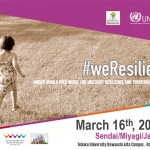



Typically poor are the most vulnerable in the face of disasters due to their high level of exposure to the environment. The manifestation of urban poverty is often more appalling than that of rural poverty due to lack of social safety nets, hazardous habitats, highly risky work environment in informal sectors, very poor-quality housing, sanitation, water and personal safety, and many other reasons. The changing climate condition calls for a shift in our ways-of-working as the world will change the way we know it today. To prepare for the worst, communities and government need to become more resilient i.e. should have mechanisms to adapt, absorb and ability to response to forthcoming climatic extreme events.
Investing in risk reduction during reconstruction and active engagement of multiple stakeholders in particular private sector is very important to collectively face this vast challenge. Islamic Relief has realized the need for both from its experience in post Typhoon Haiyan efforts in Philippines and other countries such as Bangladesh and Pakistan in the region. Through a pilot initiative, Islamic Relief is trying to build cases of good urban governance and successful private sector engagement in building community resilience during reconstruction and development interventions. Strategies adopted by Islamic Relief are aimed to offer wide range of partnership opportunities with private sector in order to ensure sustainable outcomes for the local communities. This platform is an excellent opportunity for us to showcase our good practices and lessons learnt which will prove to be an important resource to promote role of private sector in risk reduction.
【講演】
To be confirmed